LHDA to investigate claims of undercooked food and poor food storage at labour camp
By Mamohlakola Letuka | 26 June 2026
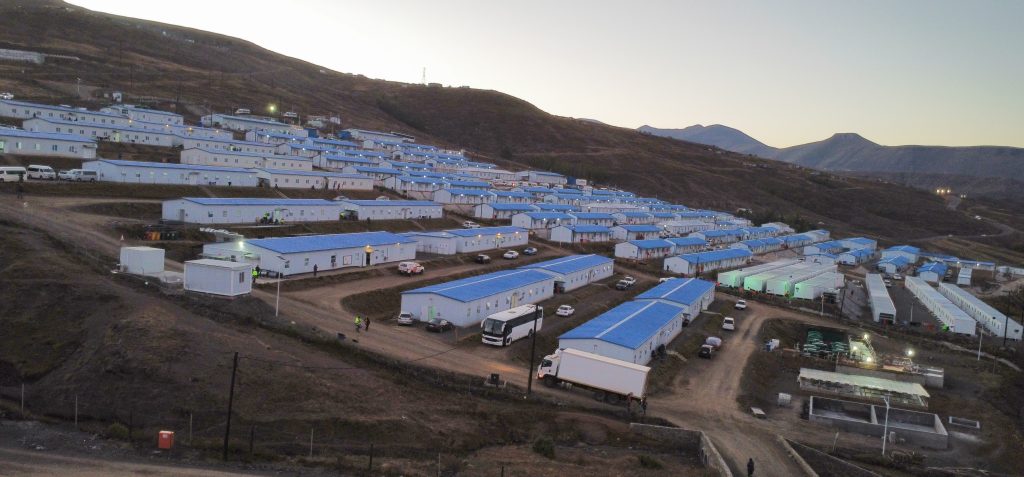
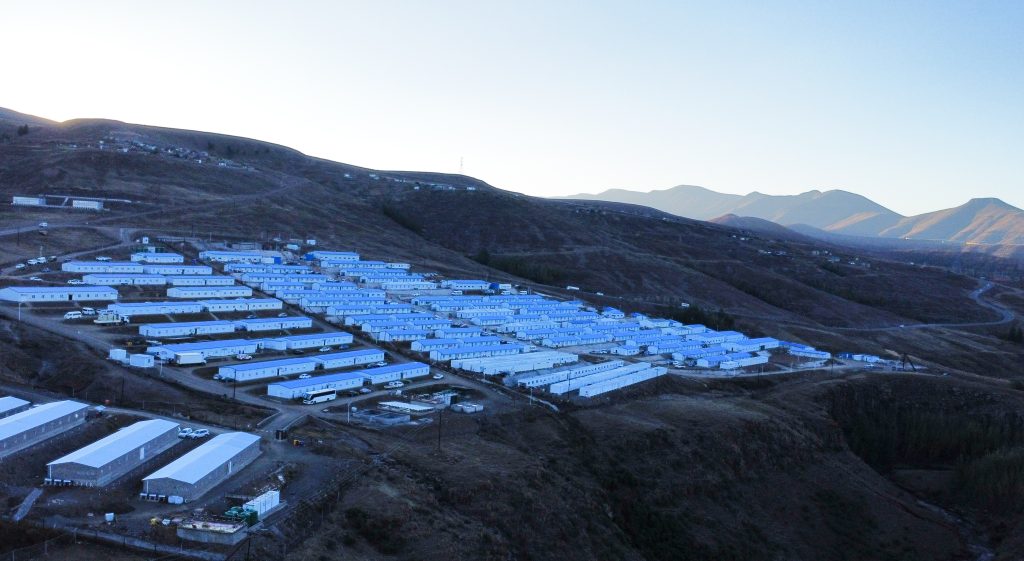
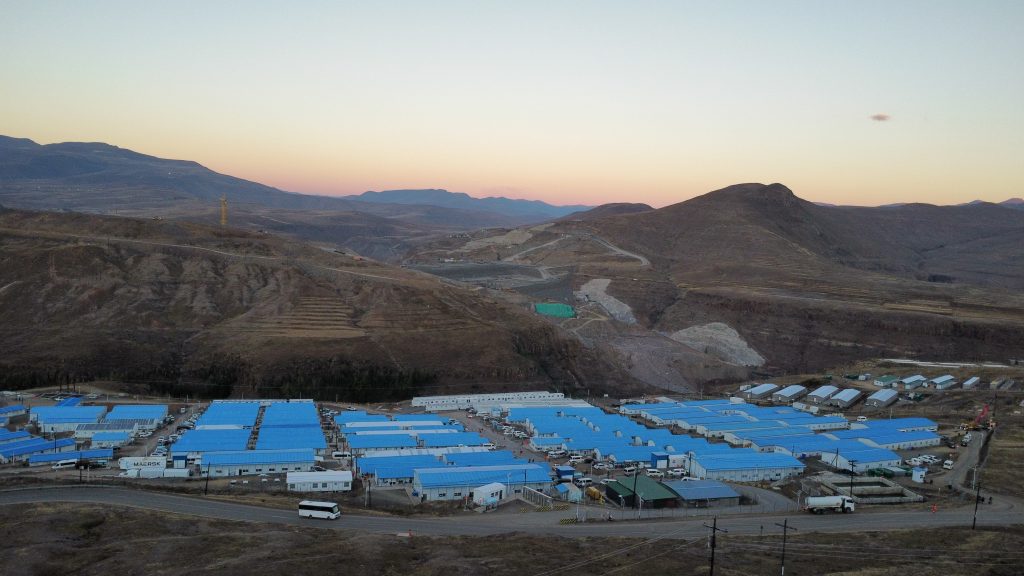
The SUN JV consortium, which secured the M7.68 billion (US$ 465 million) contract to build the Polihali Dam project in Lesotho, says its worker camp kitchens were not responsible for a salmonella outbreak that infected 133 of 2 192 workers. The company concluded that food consumed outside the camp was the “most probable source” of the outbreak.
However, the MNN Centre for Investigative Journalism has established that none of the food sold by outside vendors was tested for salmonella. While no food or water samples taken from the camp kitchens tested positive, the report relied on those negative findings to conclude that food consumed outside the camp was the most probable source of the outbreak. The report recommends warning workers about the risks of buying food outside camp facilities.
The SUN JV is a partnership between Sinohydro Bureau 8 and 14 from China and South African firms Unik Civil Engineering and Nthane Brothers. The consortium did not respond directly to MNN’s questions, which were submitted through the Lesotho Highlands Development Authority (LHDA), the agency responsible for managing the Lesotho side of the Lesotho Highlands Water Project.
In response, LHDA spokesperson Mpho Brown confirmed that the SUN JV investigation had not conclusively identified a single source of the outbreak.
One of the report’s most significant findings was that 14 food handlers employed in the project’s kitchens tested positive for salmonella. Dr Mamohoanyane Chabana, Mokhotlong’s District Medical Officer, said this was “highly significant from a public health perspective”, noting that even a single infected food handler can pose a serious risk because asymptomatic carriers may unknowingly contaminate food.
Chabana also cautioned that negative food tests do not necessarily rule out the kitchens as the source.
“A negative result doesn’t guarantee safety,” he said, adding that contamination can be intermittent or localised, and contaminated food may already have been consumed or discarded before testing occurs.
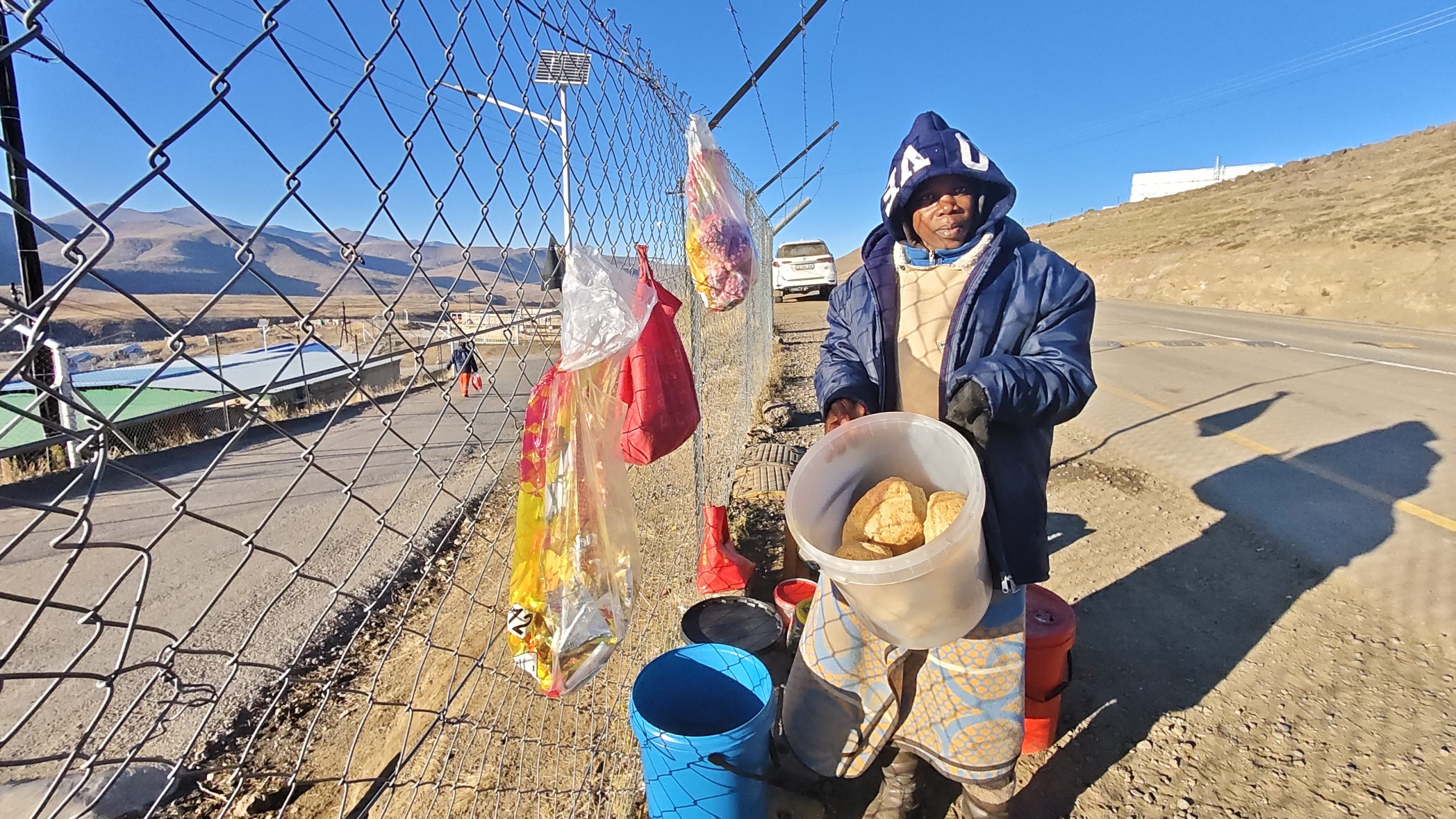
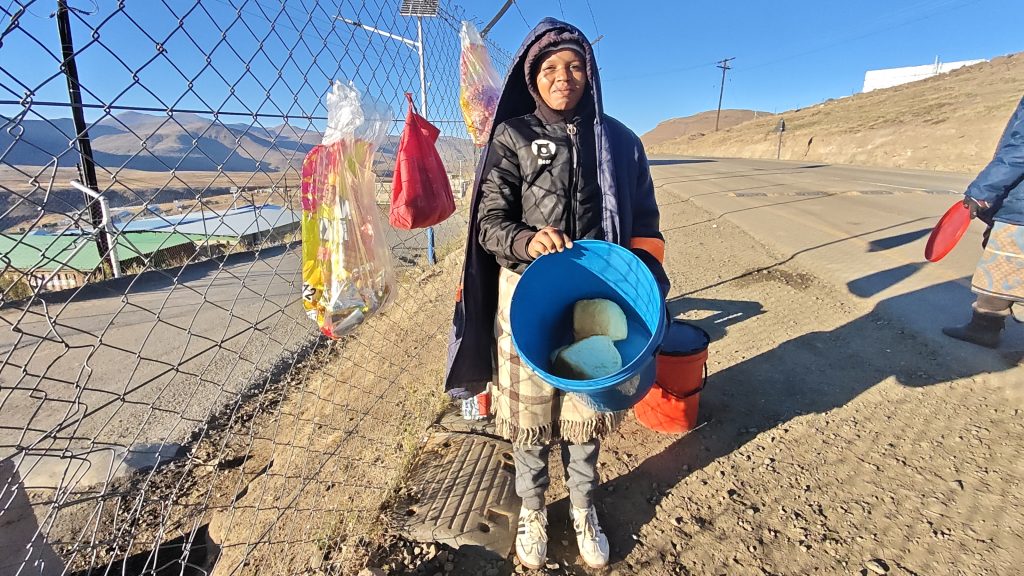
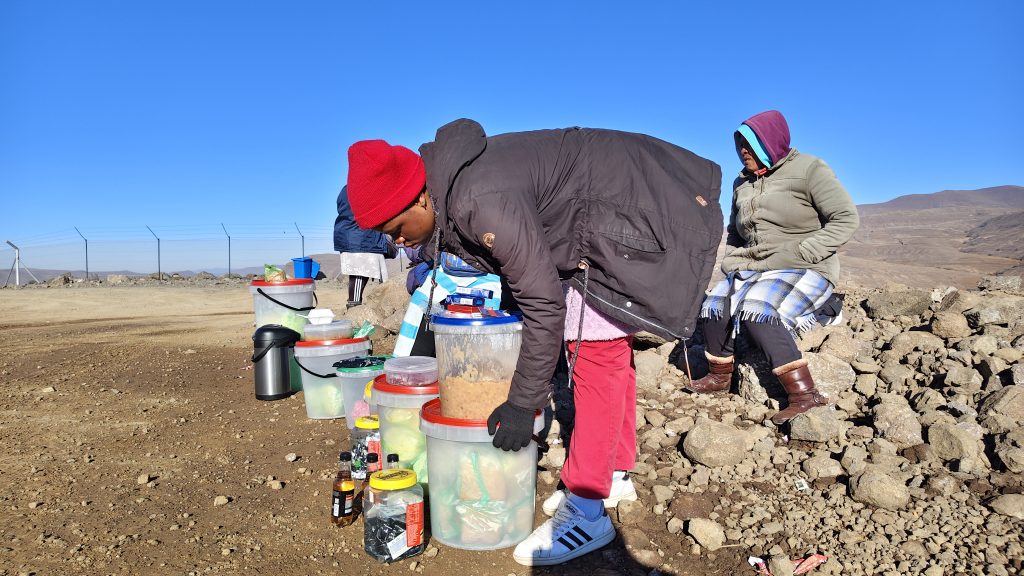
MNN visited the 13 vendors who sell food near the project, including two at the camp gates and 11 at the entrance to the dam site. Construction workers are their main customers, making the report’s warning about outside food particularly damaging.
Vendor Malebohang Lebilietsa, who sells steamed and home-baked bread outside the Polihali construction site, said vendors were paying the price.
“The company’s shift of blame is unfortunate and mistaken because we do not cook wors or meat, which are what workers complain about. We only cook bread,” she told MNN.
“That report intends to ruin our reputation and business because anyone who has seen it will think the report is correct,” said Lebilietsa.
Another vendor, Mamahooana Keresiane, a widow supporting three children through selling at one of the SUN JV gates, said their business often booms whenever there is a diarrhoea outbreak in the camp because workers avoid eating from the kitchens.
Of the 133 workers affected, six cases were classified as severe, 49 as moderate and 78 as mild.
Workers describe days of illness
In separate interviews with MNN, on condition of anonymity for fear of reprisals, workers who became ill described severe diarrhoea, abdominal pain and weakness that kept some away from work for days.
One worker said he became sick after lunch and initially believed it was an ordinary stomach problem.
“The pain was unbearable…I had to spend all three days without rest. I couldn’t even spend an hour sitting or sleeping. All these sprints were accompanied by severe stomach pains.”
He added that clinic staff gave him medication and electrolytes but did not perform laboratory tests on him.
When asked about this, Brown said that the LHDA was aware that perceptions and experiences may differ among individuals. However, he said laboratory testing during outbreaks is often conducted on representative or clinically necessary cases rather than every symptomatic individual.
According to Brown, all workers who reported to the clinic received medical assessment and treatment appropriate to the severity of their condition.
The worker MNN spoke to does not believe the source of the outbreak could have been vendors.
“Given the people that were affected by the outbreak, it cannot be the street vendors because they are not capable of feeding such a crowd,” he said. “Even though we are accused of eating outside, I do not buy from those ladies and had eaten all my meals from the camp that day.”
A second worker said he developed fever, weakness and diarrhoea after eating meals provided by the company. By the time he sought treatment, he found several others already receiving intravenous drips at the clinic.
“Others were busy fighting for their lives and other cases were so severe that they got referred to Botha-Bothe from Mokhotlong district hospitals,” he said.
Like the first worker, he said he relied on food served at the camp for all his meals.
“I have never bought from the street vendors,” he said, adding that “The company has not addressed the situation or informed us of what caused the outbreak. They have not held a gathering to show how we can avoid such things in the future.”
According to Brown, preventative measures were taken, with LHDA monitoring the contractor’s response, including treatment protocols, monitoring, awareness initiatives and corrective actions. He said additional hygiene and food safety awareness programmes had since been rolled out for kitchen staff and workers.
The worker also questioned why kitchen staff tested positive for salmonella while the kitchens were ruled out as the source.
“The thing is no one wants to admit their mistakes. You will find that the blame is always placed on the next person.”
Allegations from inside the kitchens
MNN also interviewed anonymous kitchen workers familiar with food preparation practices on major construction sites linked to the project.
One employee working at the camp alleged that food was sometimes served despite concerns about freshness. Her claims could not be independently verified.
She alleged that kitchen managers occasionally chose not to discard food that was approaching expiry or had been improperly stored because of the financial loss associated with throwing it away.
“Food is plentiful and it’s a huge loss to throw it out,” she said.
Another kitchen worker said meat was sometimes cooked under pressure without sufficient thawing.
“You know how you cook frozen meat? You need to first defrost it before everything else but here we do not do that,” the worker said.
“You find that it is undercooked because they prepare it under pressure.”
The worker added:
“I do not think it is people on the outside but the kitchen’s fault.”
Brown said LHDA treated allegations of improper food storage, undercooked meals and other food-safety breaches seriously. He said additional controls had been introduced following the outbreak, including more frequent health testing for kitchen staff, enhanced hygiene training and continued monitoring of food-handling practices.
“It is important to underscore that LHDA views these allegations in a serious light. These will be investigated further and, if it is established that such practices do exist, those responsible will be held accountable,” Brown said.
Two months after the last worker recovered, no contaminated food source has been publicly identified.
Until investigators can explain how they concluded that food consumed outside the camp was the “most probable source” of the outbreak, questions about what happened at Polihali are likely to remain.